Protect Your Hearing Today for Better Hearing Tomorrow
Hearing rarely disappears in one dramatic moment. More often, it changes quietly. A little ringing after a loud event. A need to raise the TV volume. A missed word in a conversation. A feeling that people are “mumbling” more than they used to.
The good news is that many everyday hearing risks can be reduced with simple habits. Protecting your ears does not mean avoiding music, travel, celebrations, work, or sport. It means being wiser about sound, giving your ears time to recover, and acting early when something feels different.

Noise is one of the biggest risks to hearing
Sound becomes risky when it is too loud, too close, or lasts too long. The ear is sensitive, and the tiny hair cells inside the inner ear do not grow back once damaged. This is why repeated exposure to loud sound can slowly lead to permanent hearing loss.
Loud environments are common in daily life. They include:
Construction sites
Factories and workshops
Traffic-heavy roads
Wedding bands and DJ events
Concerts and cinemas with high volume
Religious or community events with loudspeakers
Shooting ranges
Power tools, drills, grinders, and machinery
A practical rule helps: if you need to shout to speak to someone standing an arm’s length away, the sound around you is probably loud enough to deserve protection.
Ear protection is simple and effective when used properly. Foam earplugs, reusable silicone earplugs, and earmuffs all reduce sound exposure. The best choice depends on the setting.
Foam earplugs are small and easy to carry. They work well when inserted correctly. Roll the plug, gently pull the ear upward and outward, insert it, and let it expand. Reusable earplugs are useful for concerts and travel because they can reduce volume without making sound feel completely blocked. Earmuffs are often better around machinery, power tools, or shooting ranges because they cover the whole outer ear and are quick to put on.
For very loud settings, such as shooting ranges or heavy industrial noise, using both earplugs and earmuffs may give extra protection. CUSTOM MADE ear plugs made by an Audiologist ear plugs offers perfect fit for the ear especially if there is any deformity in the ear or if ear canal is small or narrow
Protecting hearing is easier before damage occurs than after it becomes noticeable.
Loud sound is not only a workplace issue
Many people think hearing protection is only for factory workers or musicians. That is not true. Everyday noise can add up.
Think about a typical week. A long commute in traffic, an hour of headphones, a weekend celebration, a mixer grinder in the kitchen, a loud movie, then a bike ride through noisy roads. None of these may seem extreme on their own, but the ear experiences them as repeated stress.
Noise exposure has two parts.
Volume
Duration
How loud the sound is
How long the ear is exposed
A short loud burst can harm hearing. So can moderate noise that continues for hours. That is why hearing care is not about fear. It is about reducing the total load on your ears.
Simple changes help:
Step away from loudspeakers at events.
Choose quieter corners at restaurants or functions when possible.
Use ear protection before using power tools.
Keep car and TV volume at a comfortable level.
Take breaks during long periods of sound exposure.
Carry earplugs in a bag, wallet, two-wheeler storage box, or travel pouch.
A small pair of earplugs can be as useful as sunscreen. You may not need them every day, but when you do, they matter.

Headphones need healthy limits
Headphones and earbuds are part of daily life. They help with music, calls, learning, films, gaming, and travel. The risk comes from volume and time, especially when earbuds sit directly in the ear canal.
The 60/60 approach is a useful habit: listen at around 60% volume for no more than 60 minutes at a time. After that, take a quiet break.
This is not a strict medical formula for every person or every device. It is a simple way to avoid the common mistake of listening too loudly for too long.
A few signs that headphone volume may be too high include:
Someone nearby can hear the sound from your earphones.
Speech around you becomes difficult to hear.
Your ears feel tired after listening.
There is ringing or buzzing after removing the headphones.
You keep increasing the volume in noisy places.
Noise-cancelling headphones can help in loud surroundings because they reduce the need to raise volume. They are especially useful during flights, trains, and busy commutes. Still, they should not become an excuse for very long listening sessions.
For children and teenagers, headphone habits matter even more. Young ears may be exposed to gaming, streaming, online classes, music, and videos for many hours. Volume-limited headphones, regular breaks, and family rules around listening time can help prevent future problems.
A good headphone rule is simple: if sound feels intense, it probably is. Turn it down before your ears ask for relief.
Quiet breaks allow the ears to recover
After a loud event, the ears may feel blocked or dull. There may be ringing, buzzing, or a sense that sounds are muffled. Sometimes this settles after rest. Sometimes it does not.
Quiet breaks are one of the simplest ways to support hearing health. After prolonged exposure to noise, spend time in a calm setting. Avoid immediately switching to loud headphones, TV, traffic, or another noisy place.
If you attend a concert, wedding, festival, or sports event, try this:
Move away from speakers when possible.
Use earplugs during the loudest parts.
Take short breaks in a quieter area.
Avoid headphones on the way home.
Let the ears rest for several hours.
The same applies after noisy work. A person who spends the day around machinery should not treat the evening as a chance to blast music. The ear needs recovery time.
Ringing after noise exposure is a warning sign. Occasional short ringing may happen, but frequent or lasting ringing needs attention. Do not ignore it because it is “only sound” and not pain. Tinnitus can affect sleep, focus, and mood, and early assessment can help identify causes and management options.

Cotton buds can do more harm than good
Many people use cotton buds to clean the ears. It feels normal, but pushing cotton buds deep into the ear canal can cause problems.
Earwax is not dirt. It protects the ear canal by trapping dust and helping prevent dryness. In most people, earwax moves outward naturally. When cotton buds go deep, they can push wax further in, irritate the canal, or injure the eardrum.
Avoid putting these into the ear canal:
Cotton buds
Hairpins
Matchsticks
Ear candles
Pen caps
Fingers or nails
Small cleaning tools bought without guidance
Clean only the outer ear with a soft cloth. If there is blocked hearing, fullness, pain, itching, or suspected wax build-up, get it checked. A doctor or trained hearing care professional can remove wax safely if needed.
Ear candles deserve special caution. They are not a safe or proven way to remove wax and can cause burns or injury.
A useful reminder is this: do not put anything smaller than your elbow into your ear. It sounds funny, but it makes the point clearly.
Medicines can sometimes affect hearing
Some medicines can affect hearing or balance in certain people. This does not mean they are unsafe for everyone, and it does not mean anyone should stop prescribed treatment on their own. It means hearing symptoms should be discussed early.
Medicines linked with hearing or balance concerns in some situations may include certain antibiotics, chemotherapy drugs, high doses of some pain relievers, some diuretics, and other specialist medicines. Risk can depend on dose, duration, kidney function, age, other health conditions, and combinations of medicines.
Speak with a doctor or pharmacist if you notice:
New ringing in the ears
Sudden or gradual hearing changes
Dizziness or balance problems
A blocked feeling that does not clear
Hearing changes after starting a new medicine
Do not panic, and do not stop medication without medical advice. The safer step is to report symptoms and ask whether hearing monitoring is needed.
This is especially relevant for people who already have hearing loss, older adults, people receiving long-term treatment, and those taking multiple medicines.
Regular hearing checks catch problems early
Hearing loss can be easy to miss at first. The brain fills in gaps, people guess words from context, and family members may notice changes before the person does.
Common early signs include:
Difficulty understanding speech in noisy places
Asking people to repeat themselves often
Turning the TV or phone volume higher than before
Feeling that others mumble
Trouble following group conversations
Missing doorbells, phone rings, or soft voices
Avoiding social situations because listening feels tiring
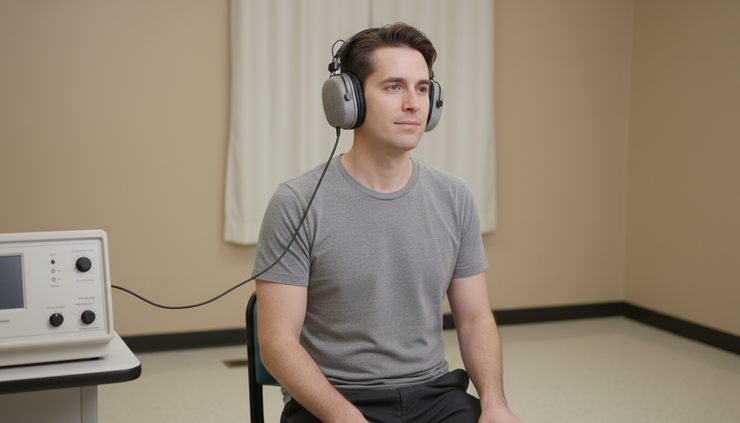
A hearing check is simple and painless. It can show whether hearing is within the expected range or whether further assessment is needed. For adults, regular checks are wise, especially after long-term noise exposure, ear infections, diabetes, ageing-related changes, or a family history of hearing loss.
For children, hearing checks matter because hearing affects speech, learning, attention, and social development. If a child does not respond to sounds, speaks late, turns devices up too high, or struggles in class, hearing should be considered as one possible factor.
Hearing care is not only about the ears. Better hearing supports connection, confidence, safety, and participation in daily life.
Treat hearing problems before they grow
Many people wait years before seeking help for hearing issues. Some feel embarrassed. Some hope it will settle. Some adjust their life around the problem without realising it.
Waiting can make daily life harder. Conversations become tiring. Phone calls become stressful. Family gatherings become less enjoyable. Mishearing can cause confusion, frustration, and withdrawal.
Early treatment depends on the cause. It may involve wax removal, infection treatment, medicine review, hearing protection advice, tinnitus support, hearing aids, assistive listening devices, or referral to a specialist.
Modern hearing aids are smaller and more comfortable than many people expect. They do not restore hearing to “normal”, but they can make speech clearer and reduce listening strain for many users. The earlier the brain receives better sound input, the easier adjustment can be.
Do not treat hearing aids as a last resort. Treat them as one possible tool, just like spectacles help vision.
A simple hearing protection plan for daily life
Good hearing care works best when it becomes routine. It should not feel complicated.
Use this simple plan:
Carry protection
Keep earplugs where you can find them quickly, such as in a bag, travel kit, vehicle, or work pouch.
Control volume
Keep headphone and speaker volume moderate. Use the 60/60 approach as a guide.
Create quiet time
Give your ears breaks after noise-heavy periods.
Respect warning signs
Ringing, muffled hearing, pain, discharge, dizziness, and sudden hearing loss need attention.
Avoid deep cleaning
Clean the outer ear only. Let professionals handle blocked wax.
Ask about medicines
Report hearing or balance symptoms when taking medication.
Book hearing checks
Do not wait until conversations become difficult.
Hearing protection is not about living silently. It is about keeping sound enjoyable for longer.
Small choices can protect a lifetime of sound
The sound of a loved one’s voice, a favourite song, rain on a window, a temple bell, birds in the morning, laughter at a family function, these are worth protecting.
Better hearing tomorrow starts with sensible choices today. Use earplugs or earmuffs in loud places. Keep headphone volume moderate. Take quiet breaks. Avoid putting objects deep into the ear. Ask questions about medicines. Get hearing checked when something changes. Treat problems early instead of waiting for them to worsen.
Protect your hearing today. Preserve it for tomorrow.
Comments